· By Jonah Pryce · 1 min read
Why exterior paint peels
Peeling, blistering and chalking each have a different cause. Here's how to read your siding before you repaint it.
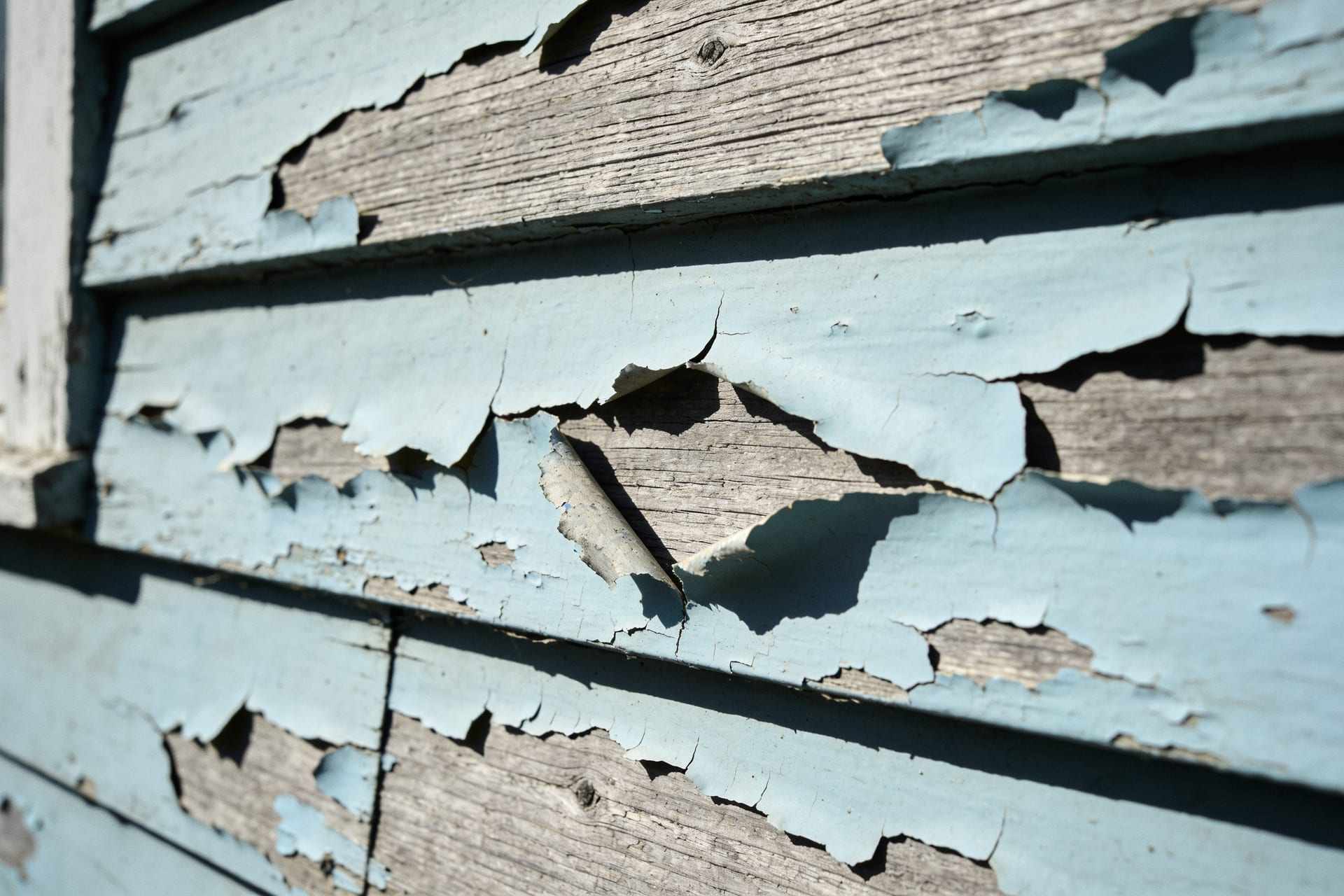
Paint on a house almost never fails because of the paint. It fails because of what’s under it, or what’s coming through it.
Peeling down to bare wood
Moisture from inside the house is pushing the paint off. Look for a bathroom or kitchen on the other side of that wall, missing vents, or gutters spilling onto the siding.
Peeling between coats
The new coat never bonded to the old one: it went onto chalky, glossy or dirty paint. The cure is washing and sanding before you paint, not a better paint.
Blisters
Paint applied in direct hot sun, or over damp wood, traps solvent or water under the skin. Paint the shady side of the house and wait two dry days after rain.
Chalking
A white powder on your hand is old paint wearing out normally. Wash it off and prime, or the new coat will peel with it.
What it means for the price
A house that’s peeling to bare wood needs more scraping and priming than one that’s only chalking, which is why we price after we’ve seen it.